Understanding the Manhattan Concrete Pouring Process & surrounding areas
Concrete pouring is a crucial step in constructing durable structures throughout Manhattan, New York, where precision, timing, and quality control are essential. From high-rise foundations in Midtown to sidewalk repairs in SoHo, and commercial installations in Harlem, Tribeca, Lower Manhattan, and the Upper East Side, the concrete pouring process must be handled with the highest level of expertise. Surrounding areas such as Brooklyn, Queens, the Bronx, and Jersey City also rely on these advanced techniques to ensure long-lasting structural strength and safety. Because Manhattan’s construction environment is fast-paced, space-restricted, and heavily regulated, understanding the pouring process is key to achieving a successful and compliant project.
What Makes Concrete Pouring in Manhattan Unique?
Manhattan’s dense urban layout, limited workspace, and strict building codes make concrete pouring more complex than in suburban areas. Contractors must plan around traffic, noise regulations, and tight delivery schedules.
What Preparations Are Involved Before Pouring Concrete?
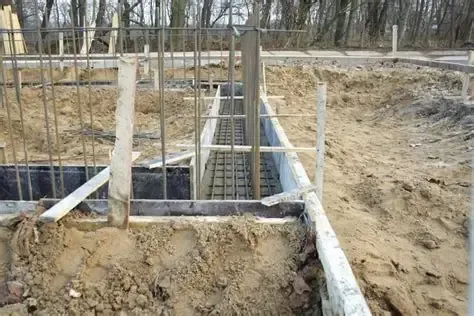
Site assessment, soil inspection, formwork setup, reinforcement installation, and securing permits are essential. Areas like Chelsea and the Financial District often require additional safety planning due to foot traffic and nearby structures.
How Is Concrete Delivered to Manhattan Job Sites?
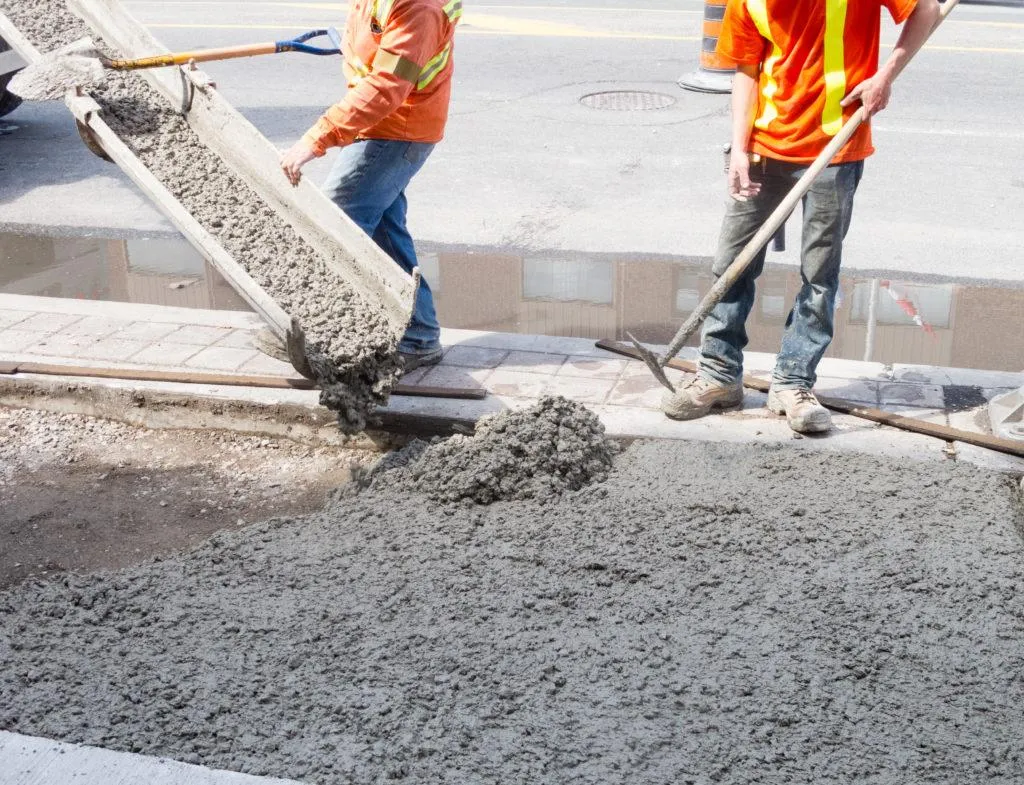
Concrete is transported via mixer trucks and often pumped through hoses to reach elevated or confined locations. High-rise projects in Midtown and the Upper West Side commonly use boom pumps to reach multiple floors.
What Are the Steps in the Actual Concrete Pouring Process?
The main steps include placing, leveling, compacting, and smoothing the concrete. Contractors ensure even distribution, remove air pockets, and use specialized tools for a uniform finish.
How Do Contractors Ensure Precision During Pouring?
Laser levels, concrete vibrators, and skilled technicians play a major role. In busy areas like Lower Manhattan or Times Square, precision is vital to avoid delays and ensure compliance with city regulations.
How Long Does Concrete Take to Cure in Manhattan’s Climate?
Curing typically takes 24–48 hours for initial strength and up to 28 days for full hardness. Weather conditions in Manhattan and nearby boroughs—including heat, humidity, or winter cold—can influence curing time.
What Are the Most Common Concrete Pouring Challenges in NYC?
Narrow streets, delivery restrictions, vehicle congestion, noise limits, and limited staging areas can complicate pouring. Projects in the East Village or Tribeca may require nighttime pours to avoid traffic.
How Is Quality Ensured After the Concrete Is Poured?
Contractors perform inspections, monitor curing, test compaction, and verify thickness. Proper sealing and finishing keep the surface durable and resistant to Manhattan’s heavy use.
Why Is Professional Concrete Pouring Recommended in Manhattan?
Because of strict NYC building codes, complex site conditions, and the need for specialized equipment, hiring an experienced contractor ensures compliance, safety, and long-lasting results.
Final Thought
Concrete pouring in Manhattan is a highly technical process that requires precision, proper planning, and compliance with city regulations. Whether you're enhancing a sidewalk in Harlem, building a foundation in Midtown, or renovating a property in Lower Manhattan, understanding the process helps ensure a strong, long-lasting, and successful project.
Do I need a permit to pour concrete in Manhattan, NY?
Yes. Most concrete projects require approval from the New York City Department of Buildings.
Can concrete be poured during winter months?
Yes—with additives, insulated blankets, and proper planning to prevent freezing.
How long before I can walk or drive on freshly poured concrete?
Generally, 24–48 hours for walking and 7 days for light vehicle use.
What type of concrete is best for NYC sidewalks?
High-strength, air-entrained concrete that resists salt, moisture, and heavy foot traffic.
Is pumping concrete necessary for high-rise buildings?
Absolutely—pumps are essential for delivering concrete to upper floors efficiently.